
UGC ad examples: five formats and how to use them
Compare demonstration, problem-solution, founder, unboxing and comparison formats with practical shot plans and review checks.
By Janice Phil · Growth · Published

In this article
Match the format to the question
A useful UGC ad example teaches you what the viewer needs to see. The format matters less than the buying question: how it works, how it fits a routine, what arrives, or why someone would choose it. Copying an opening line without the context often produces a recognizable format with no persuasive substance.
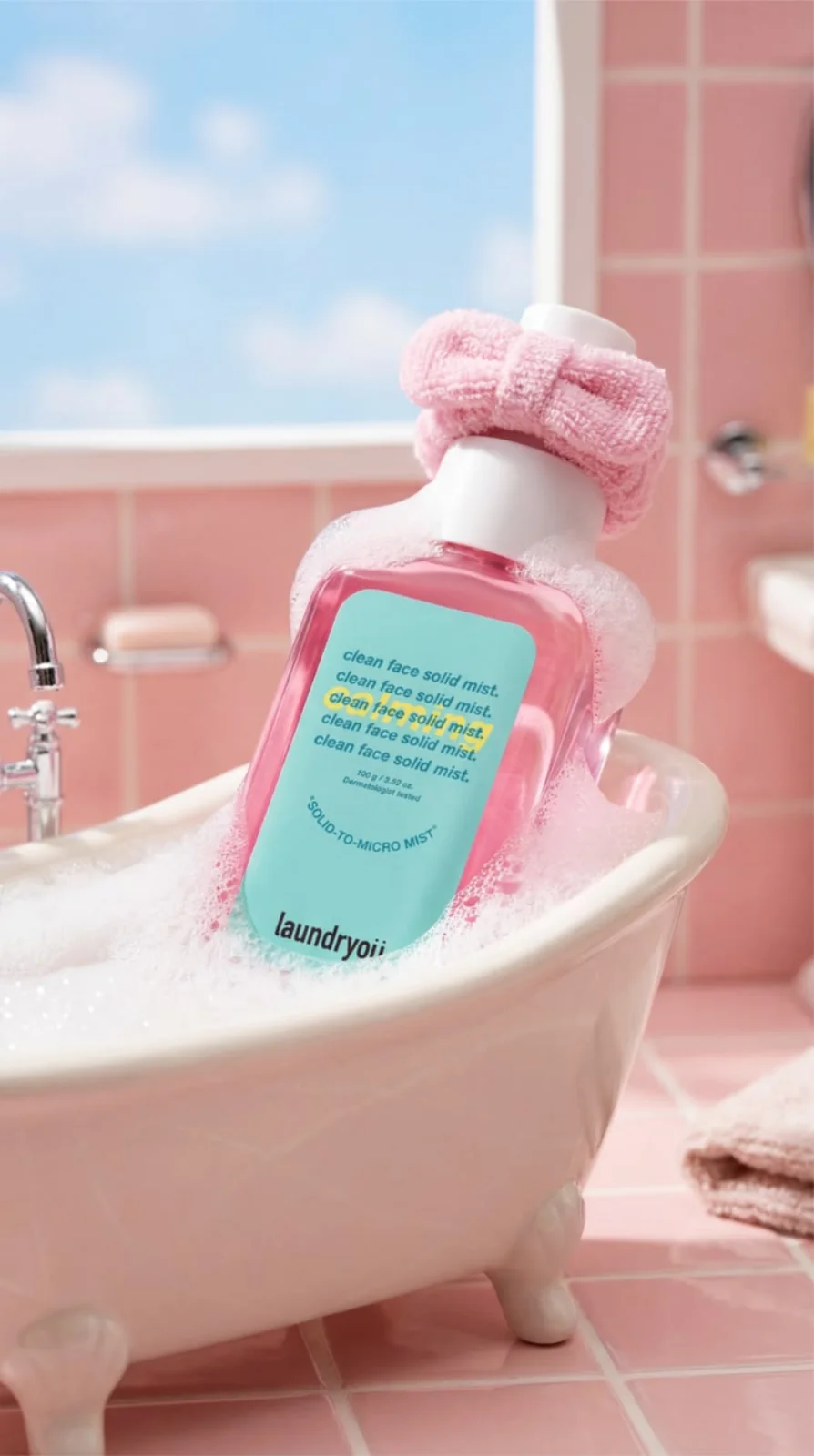
The five structures below are planning examples. The imagery comes from roasOS’s existing demo library and does not establish campaign performance or prove that these scripts generated those assets.
Demonstration: make the action visible
A demonstration puts the mechanism at the center. For a reusable travel container, start with the cap in frame, show the grip and opening motion, then move to the storage context. The script should describe what the viewer can see rather than claim an unsupported result.
This is strongest when the task can be understood in a few seconds. If the benefit only appears after weeks of use, a short generated demonstration cannot establish it. Use documented evidence or explain the feature instead.
Problem-solution: show a specific friction
Name a concrete inconvenience, then demonstrate the relevant feature. “A lid I can open without putting the bag down” is a clearer creative direction than “This changes everything.” The first frame can show the awkward situation without shaming the viewer.
For AI actors, write a presenter line such as “Here is how the opening works.” Do not invent a personal history such as “I used this for a month” or borrow someone else’s review as though the generated presenter said it.
Founder, unboxing and comparison formats
Founder content works when the founder’s actual reasoning matters. Use their authorized footage or approved representation and words; a random avatar is not the founder. An unboxing answers what arrives and how the package opens. A comparison makes one meaningful tradeoff visible.
In all three formats, production quality cannot replace truth. A beautiful render of a package containing an extra accessory still gives the wrong answer. A side-by-side comparison needs matched conditions and the actual dimensions of both products.
| Format | What the viewer needs | What to avoid |
|---|---|---|
| Founder explanation | Real decision, constraint or design rationale | Inventing the founder or their story |
| Unboxing | Accurate package, contents and reveal order | Adding accessories the buyer will not receive |
| Comparison | Same scale, use and evaluation criteria | Making the competitor look worse through mismatched conditions |
| Problem-solution | A recognizable problem and demonstrable feature | Unsupported before-and-after promises |
Build a library you can learn from
Choose two formats for one product and write a short shot list for each. Keep the offer and audience the same initially. Name the exports by concept and revision so the media buyer can connect a result to a creative choice.
Review which examples are understandable without sound and which need narration. If the story disappears when the audio is muted, add concise captions or a visible demonstration. If every frame explains a different benefit, reduce the scope.
Store the approved brief, source assets and final export together. Over time, your own usable examples become a better reference than an endless folder of unrelated ads. Use performance labels only when the campaign data supports them.